
Software Services
For Companies
Products
Build AI Agents
Security
Portfolio
Build With Us
Build With Us

Get Senior Engineers Straight To Your Inbox

Every month we send out our top new engineers in our network who are looking for work, be the first to get informed when top engineers become available

At Slashdev, we connect top-tier software engineers with innovative companies. Our network includes the most talented developers worldwide, carefully vetted to ensure exceptional quality and reliability.
Build With Us
Web App Estimation: Slices, Risk, and Flexible Contracts/

Patrich
Patrich is a senior software engineer with 15+ years of software engineering and systems engineering experience.
0 Min Read


Great estimates are not guesses; they are contracts with uncertainty explicitly priced in. Here’s a pragmatic playbook to scope a modern web app, forecast timelines and budgets, and assemble the smallest team that can still win.
Start with outcomes, not features. Write three success metrics that a CFO would sign: revenue impact, operational savings, or risk reduction. Add non-functional targets-latency, availability, data retention, compliance scope. Capture constraints: launch date, procurement rules, legacy integration, and privacy jurisdictions. This box sets your estimating frame.
Decompose work by primary user journeys, then cut vertical slices that cross UI, API, data, and infrastructure. For a B2B SaaS: sign-up with SSO, subscription billing, data import, reporting, and admin workflows. Each slice should end in a demonstrable outcome. Complexity drivers include external systems, data migration, and regulatory review; weight slices accordingly.
- Three-point estimates per slice (optimistic, most likely, pessimistic) and Monte Carlo to roll up P50 and P90 timelines.
- Reference class forecasting: compare against similar delivered projects, normalizing for team seniority and tech stack.
- Throughput metrics: if you have historical velocity, prefer scope measured in completed slices per week, not story points.
- Translate to money early: hours x blended rate, then add a 20-30% contingency based on integration and compliance risk.
Publish both the plan and the uncertainty.
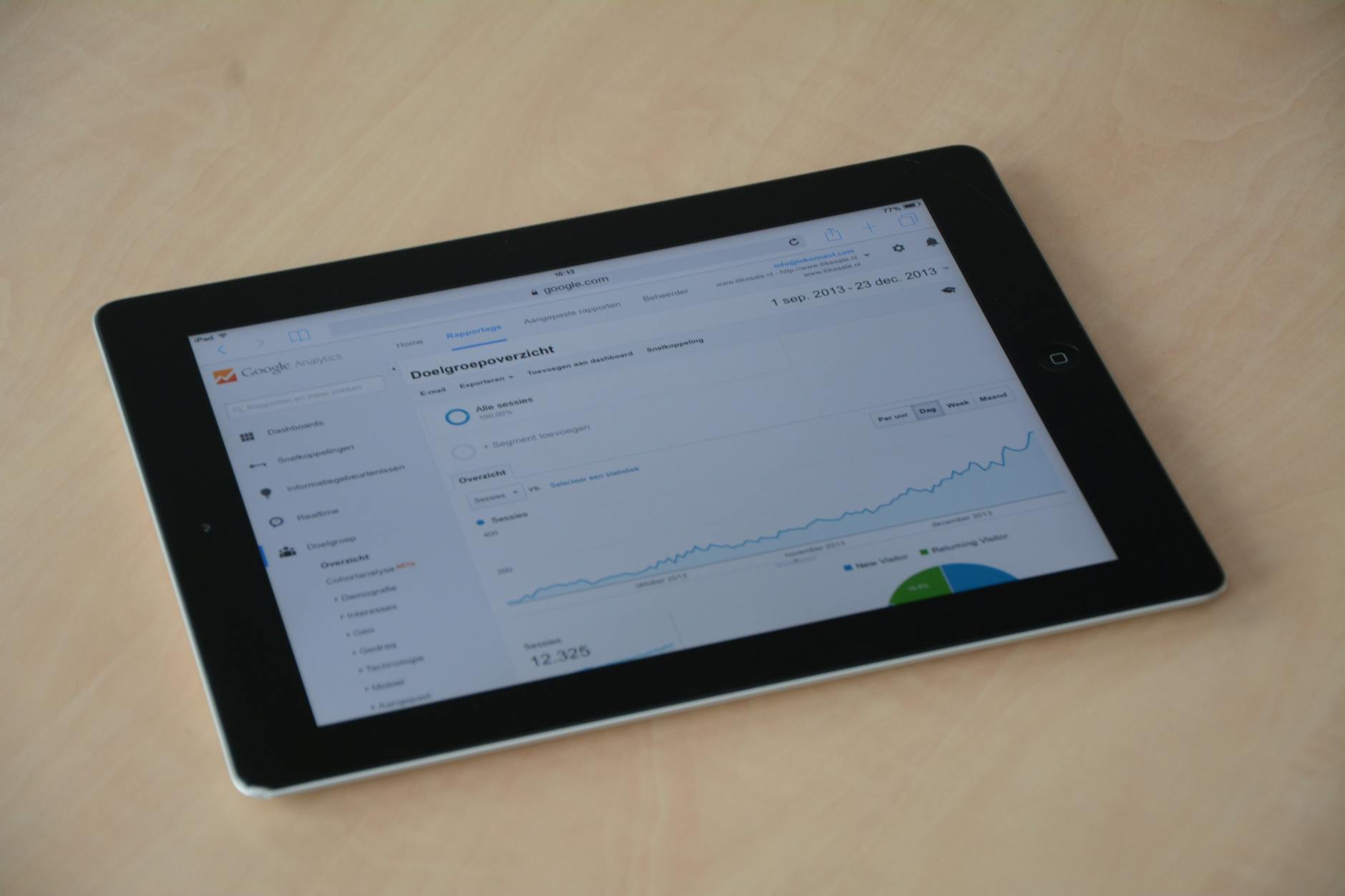
Fixed bids force padding and change orders. For evolving products, flexible hourly development contracts provide transparency and control: you buy outcomes week by week, with the option to scale up or pause. Guardrails matter-weekly burn-up charts, cap on weekly hours, and explicit definition of done per slice. Vendors like slashdev.io provide excellent remote engineers and software agency expertise for business owners and startups to realize their ideas while you flex capacity without losing direction.
Match team shape to phase.
- Discovery (2-3 weeks): Tech lead (player-coach), product manager, UX lead, and part-time solutions architect. Output: architecture decision records, risk register, thin walking skeleton.
- MVP build (8-12 weeks): 1 tech lead, 2-3 full-stack engineers, QA engineer, DevOps/SRE part-time, and a designer. Target two slices per week after ramp.
- Hardening and scale (4-6 weeks): add data engineer, security reviewer, and customer pilot manager; focus on performance budgets, SLOs, and release automation.
Budget infrastructure early by treating it as product work. Use infrastructure as code for web apps-Terraform, Pulumi, or CDK-to define VPCs, databases, secrets, and CI runners. Stand up per-branch preview environments to validate slices and reveal cost. Tag all resources for cost ownership and build guardrails: least privilege, automated backups, and disaster recovery game days. Estimation improves when modules are versioned and reusable.

Front-load risk with code review and technical audit services at two points: before build (architecture and vendor audit) and before scale (security and reliability audit). Expect deliverables like dependency health scores, static analysis findings, threat models, DORA baselines, and a prioritized remediation list with hour estimates. Audits protect scope by removing surprises that torpedo timelines.
Example: a data-driven customer portal integrating two ERPs and Okta.
- Timeline: P50 12 weeks, P90 15 weeks. Discovery 2, MVP 9, hardening 4 (overlap permitted).
- Team: 1 TL, 2 FS, 1 QA, 0.5 SRE, 0.5 Designer, 0.25 Data, 0.25 Sec Reviewer during hardening.
- Budget: $420-$520k at a $140 blended rate, including 25% contingency for ERP risk and compliance review.
Add runway for post-MVP learning: two sprints of instrumentation, pricing tests, and support tooling, typically 10-15% of the MVP cost.

Governance is your budget airbag. Hold weekly delivery reviews: demo slices, update burn-up, and compare actuals to P50/P90 forecasts. Define kill-switches-missed milestones twice in a row, quality gates failing, or CAC/LTV invalidation-then pause, reduce scope, or pivot. This is where flexible hourly development contracts shine: you can change the plan without renegotiating a fixed scope.
Before you ask for quotes, do this one-page exercise.
- Write the three business outcomes and two guardrail metrics.
- List 5-7 slices; mark integrations and compliance flags.
- Choose a reference project and note deltas in tech, scale, and team.
- Decide contract model and rate card; prefer a blended rate with caps.
- Specify environments and infrastructure as code for web apps, plus preview envs.
- Book an independent audit gate at week 4 and pre-launch.
- Define reporting: weekly demo, burn-up, risk register, and team availability.
Invite marketing and sales to estimation reviews to align launch narratives and SLAs early.
Modern estimation is less crystal ball and more portfolio management. By slicing outcomes, auditing early, enforcing infrastructure discipline, and contracting for flexibility, you convert uncertainty into ranges you can steer. That’s how expert teams ship predictable software without pretending the future is certain.