
Softwaretjenester
Til virksomheder
Produkter
Byg AI-agenter
Sikkerhed
Portfolio
Ansæt udviklere
Ansæt udviklere
Get Senior Engineers Straight To Your Inbox

Every month we send out our top new engineers in our network who are looking for work, be the first to get informed when top engineers become available
At Slashdev, we connect top-tier software engineers with innovative companies. Our network includes the most talented developers worldwide, carefully vetted to ensure exceptional quality and reliability.
Build With Us
AI Agents with RAG: Architectures, Tools, and Traps/

Patrich
Patrich is a senior software engineer with 15+ years of software engineering and systems engineering experience.
0 Min Read




AI Agents & RAG: Reference Architectures, Tools, and Traps to Avoid
Design resilient AI agents with RAG using reference architectures, modern tooling, and governance that scales across teams, accounts, and products.
Enterprises want AI that answers with context and traceability. This guide maps the stack, shows tradeoffs, and flags pitfalls that drain budgets.
Why agents plus RAG beat naive chatbots
Agents coordinate tools, plans, and memory. Retrieval augmented generation narrows model attention to your verified data, reducing hallucinations and licensing risk while improving freshness. Together, they deliver answers, citations, and actions: change a record, open a ticket, file a draft. Done right, they feel like product features, not demos.
Reference architecture you can ship
Start with three planes: ingestion, retrieval, and orchestration. Ingestion converts files, wikis, tickets, and databases into clean chunks with stable IDs, embeddings, and lineage. Retrieval runs hybrid search: keyword, vector, and metadata filters, then reranks with a cross encoder. Orchestration manages plans, tools, and guardrails, logs traces, and enforces policy.

- Data pipelines: event driven queues, document parsers, PII scrubbing, and delta updates tied to source versioning.
- Stores: a vector index plus an object store for blobs, citations, and snapshots.
- Models: a router across providers for cost, latency, and region, with a safe local fallback.
- Serving: stateless APIs behind budgets, caching, and feature flags, with canary deploys.
- Observability: OpenTelemetry traces, prompts, tokens, and feedback wired into dashboards.
Tooling that earns its keep
For orchestration, compare LangChain, LlamaIndex, Semantic Kernel, and lightweight DAG runners. Favor explicit tool contracts and deterministic planning over opaque magic. For retrieval, evaluate pgvector, Pinecone, Weaviate, and OpenSearch; prioritize hybrid search, filters, and managed backups. For reranking, test Cohere Rerank or Voyage; measure hit rate uplift versus cost.
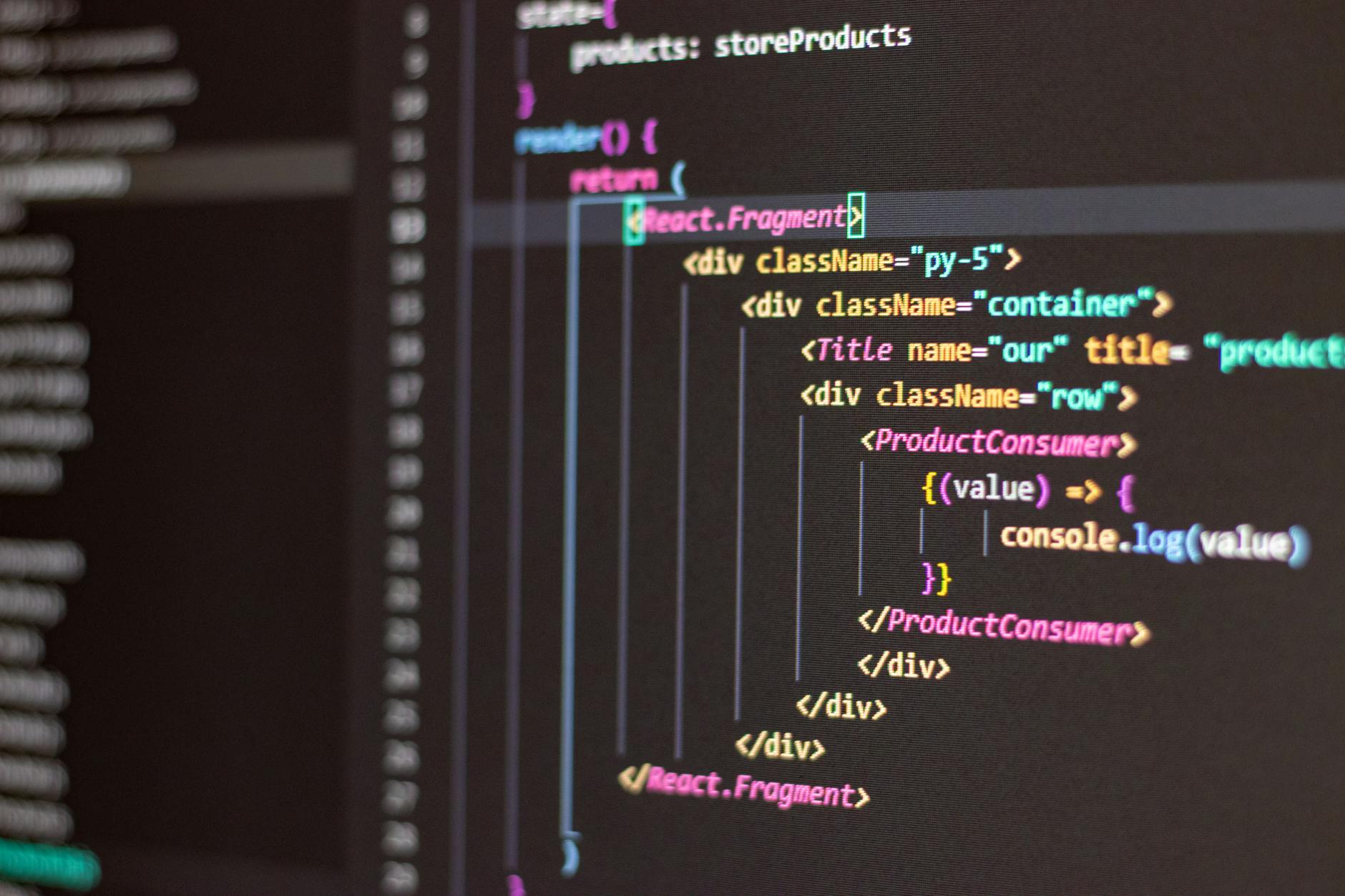
On UI, strong React development services matter. Stream tokens, show sources inline, and expose tool outcomes with optimistic updates. Next.js with server actions or SSE keeps latency low and state consistent across tabs. Design for retries and idempotency because agent steps occasionally fail.
Infrastructure as code for web apps and agents
RAG stacks change quickly; codify everything. Use Terraform or Pulumi modules for vector stores, secrets, queues, GPUs, and steady rollouts. Isolate tenant data by account or namespace. Bake budgets, token limits, and model allowlists into config so new teams cannot accidentally overspend.

Infrastructure as code for web apps should wire the React front end to the agent API with zero trust defaults. Enforce mTLS, short lived tokens, and role bindings. Autoscale workers on queue depth, set circuit breakers on upstream models, and tag all resources for chargeback.
Pitfalls that crush ROI
- Poor chunking: overlong slices dilute context. Aim for hierarchical chunks with stable anchors and semantic titles.
- Silent drift: source changes break links. Version every document and replay embeddings on delta events.
- One model everywhere: use a router. Mix fast chat models, high accuracy rerankers, and task specific tools.
- Weak evals: add golden tests, perturbation suites, and offline click logs to detect regressions.
- Security theater: enforce data loss prevention, audit prompts, and quarantine risky tools with sandboxing.
Cost, compliance, and control
Treat tokens like money. Cache prompt templates and retrieved passages, and dedupe requests by semantic hash. Use per user budgets and a monthly envelope per team. For compliance, log every input, output, tool call, and source URI; make redaction automatic and irreversible before storage.
Enterprises seeking a Thoughtworks consulting alternative often want faster delivery with clear ownership. Pair a small platform team with product pods, publish paved paths, and fund enablement, not ticket queues. Bring in specialists for model evaluation and data governance rather than one size consulting frameworks.
Implementation roadmap
Week one: define two high value tasks, the target sources, and success metrics. Build a thin vertical slice that ingests one collection, retrieves top passages, and cites sources in the UI. Ship behind a feature flag.
Weeks two to four: add hybrid retrieval, reranking, feedback capture, and eval harnesses. Move from dev keys to managed secrets, set budgets, and wire traces. Replace mocks with production queues, and automate deploys with continuous delivery.
Month two: expand sources, harden policy, and measure lift in deflection, speed, or revenue. Run A and B tests on prompts, chunking, and reranking. Train staff on escalation paths when the agent cannot answer or should hand off.
Teams and partners
Bring partners sparingly. slashdev.io provides remote engineers and agency expertise that slot into platform pods, speed React development services, codify Infrastructure as code for web apps, and stand up retrieval pipelines without adding consulting layers.
- RAG
- Agents
- IaC
- React
- Governance